Posted by-Slattery Ochoa
In LASIK (laser-assisted in-situ keratomileusis), ultra-precise lasers reshape the cornea to make it a lot more symmetrical. This decreases astigmatism and also makes it much easier for light rays to focus on the retina to improve vision.
Glasses and also contacts can compensate for astigmatism, however they can not eliminate it. LASIK eye surgery can be a superb option for individuals with astigmatism that wish to remove their dependence on glasses and get in touches with.
What is Astigmatism?
Astigmatism is a typical vision problem caused by an irregular form of the cornea (the clear cells that covers your iris) as well as natural lens in your eye. The cornea and natural lens help concentrate light rays on the retina, a layer of cells at the rear of your eye that transforms them right into impulses for your brain to take images. When your cornea as well as lens have an uneven shape, astigmatism creates, which obscures objects both up close as well as at a distance.
While nobody recognizes exactly what creates astigmatism, it frequently runs in households and also can be inherited from your biological parents. It can likewise be caused by eye injury or a medical problem like keratoconus, that makes the cornea come to be a lot more egg- or football-shaped and also interferes with the means your eyes curve light rays. Astigmatism is not a significant eye wellness issue, but it can make it tough to see plainly without glasses or call lenses.
How Can LASIK Correct Astigmatism?
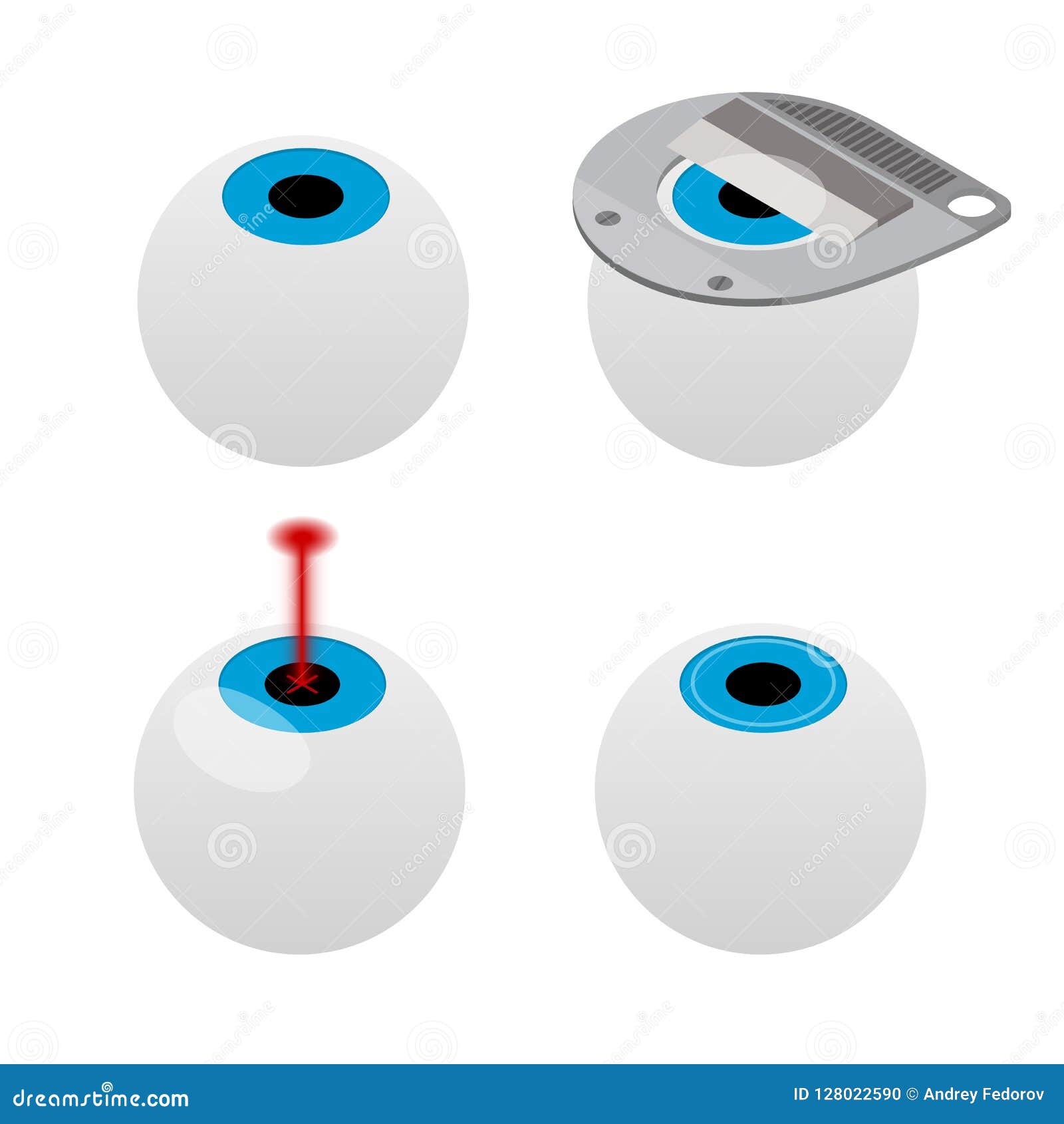
The LASIK procedure utilizes laser modern technology to modify the curvature of your cornea. In a short operation, your ophthalmologist will certainly reshape the internal cells of your cornea to correct astigmatism as well as any other refractive errors in your eyes. The very first step involves placing declines into your eye to numb the location. After that, your physician will utilize a suction ring and eyelid speculum to prevent blinking and keep your eye in the right placement.
Your optometrist will create a thin flap in the cornea (the clear front part of the eye). After that, she or he will certainly make use of a second high-precision laser to transform the curve and also density of your cornea. In people with astigmatism, an irregular cornea causes fuzzy vision. https://writeablog.net/nettie097chantay/the-relevance-of-follow-up-treatment-after-lasik-surgical-procedure will certainly give your retina a more evenly rounded surface like the top of a basketball. In many cases, LASIK deals with astigmatism and various other refractive errors completely. People often get rid of or lower their requirement for prescription lenses after LASIK.
Is LASIK Safe for Astigmatism?
Many people with light to moderate astigmatism can benefit from LASIK. Studies have revealed that it is effective and also risk-free for improving your vision.
Throughout LASIK, your specialist uses a laser to improve the cornea and also make it extra in proportion. This can redouble light rays on the retina, eliminating fuzzy vision. This can also lower signs and symptoms of astigmatism, such as eye pressure and headaches.
The surgical treatment is executed on an outpatient basis at the ophthalmologist's office. The procedure only takes an hour or much less. Chu Cataracts must organize to have a person drive you home after the procedure.
You may require a couple of days to recuperate from the surgical treatment. During this moment, you need to avoid exercise, swimming, and other tasks that might put pressure on your eyes. Your physician will encourage you when it is secure to resume these tasks. You need to utilize the declines your doctor provides you to secure your eyes from infection and maintain them moist.
What Are the Negative Effects of LASIK for Astigmatism?
Fortunately is that LASIK can entirely fix astigmatism and also remove the requirement for glasses or get in touch with lenses. The outcomes are usually long-term. This is because the procedure changes the form of your cornea so it is more in proportion. This enables light rays to focus on a single point on your retina as opposed to multiple factors that create blurry vision.
During laser refractive surgery, your physician makes use of a special tool to numb the surface area of your eyes with decreases. After that, they develop a slim flap on the cornea and pull it back to expose the underlying tissue. They use another laser to change the contour and also thickness of your cornea so it is extra in proportion.
The majority of clients can get 20/20 vision or much better with LASIK. Nevertheless, you may need a follow-up LASIK enhancement to improve your vision also further. LASIK is an elective treatment, so it is not covered by many health insurance plans. However, you can find a number of economical LASIK financing alternatives to make the treatment much more obtainable.